Table of Content
Studies show that family members of people with dementia who received hospice report better quality of care and having more of their needs met at the end of life. Choosing to be at home while receiving hospice is what most people want—the comfort and familiarity of being at home benefits someone at the end of life. Compassionate and comprehensive care at the end of life is what everyone deserves.
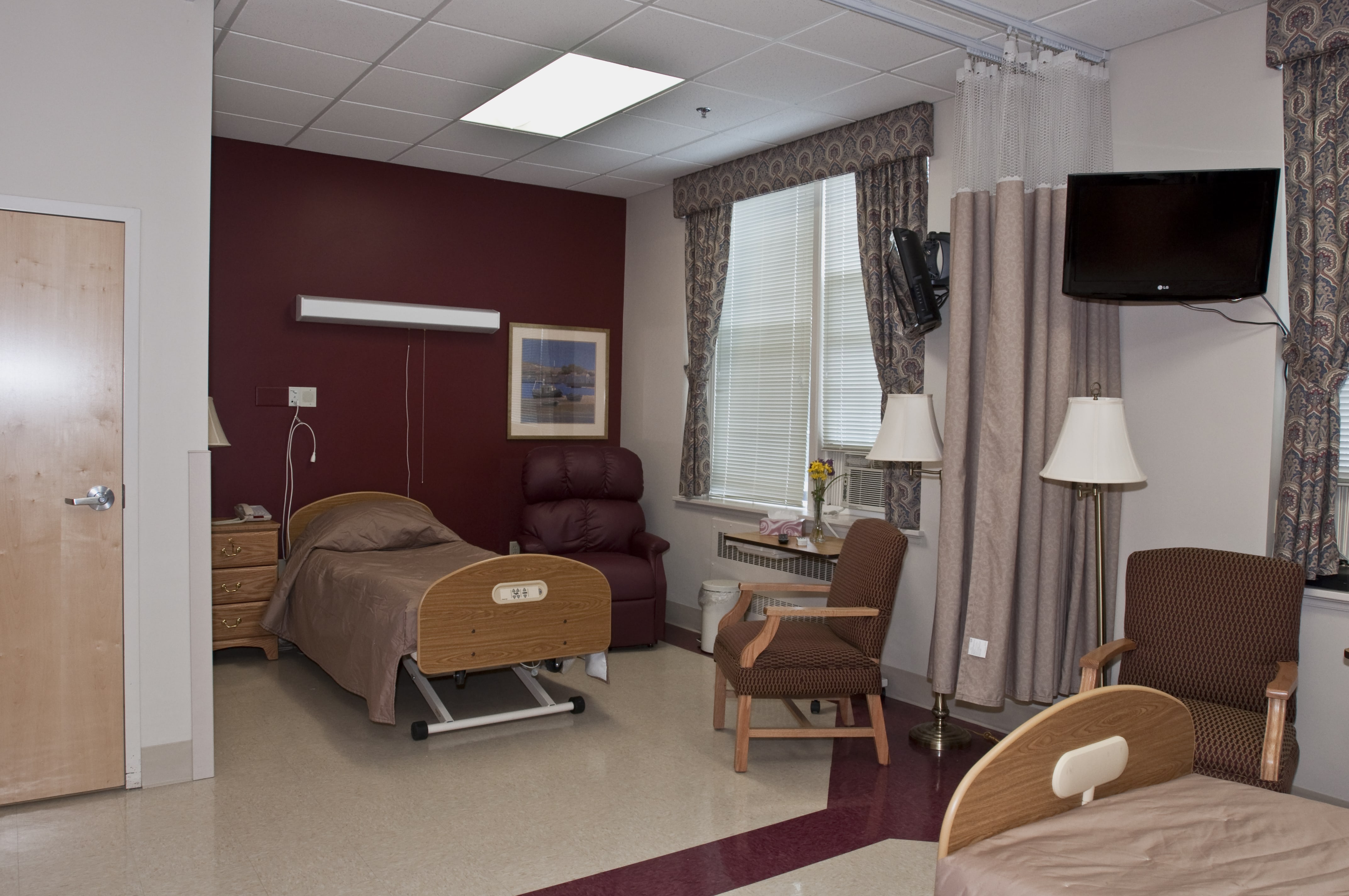
This article has important information about what services are included in Medicare’s coverage, qualification requirements, and what Medicare pays for. Most private health insurance companies cover hospice care to some degree. Give your provider a call or visit their website to learn about the specific hospice care benefits you have. About 85% of patients pay hospice care costs using the Medicare hospice benefit. Long-term nursing home care and skilled nursing home rehabilitation.
How and Where Is Hospice Care Provided and How Is It Paid For?
If you are interested in hospice care in a nursing home, ask your local nursing home which hospices they work with. Any other services Medicare covers to manage your pain and other symptoms related to your terminal illness and related conditions, as your hospice team recommends. Hospice care focuses on the care, comfort, and quality of life of a person with a serious illness that is approaching the end of life.
Some plans have more favorable coverage than others, especially when it comes to prescription drugs. If you're looking for the best option for your medication budget, it's important to know what types of medications are available under each plan. If you are wondering if your health insurance policy covers hospice care, then the answer is yes. Try to visit on different days of the week and at different times, including mealtimes. If possible, speak with other families with loved ones at the facility so you can get a firsthand account of what it’s like. You can also ask to see the facility’s latest inspection or survey report.
How does hospice work with Medicare?
Our expert guidance can make your life a little easier during this time. Sign up now to get our FREE breaking news coverage delivered right to your inbox. Despite state programs that help potential personal care attendants pay for training and testing, if the field doesn’t pay better, those new workers won’t stay long. Medicare offers a Nursing Home Checklist worksheet you can print and take along with you on tours to be sure you cover all the bases.

This includes help for the family before and after the patient dies. Charity care funds are often provided by the hospice organization, charitable donations, grants, or other community sources. Some communities have free-standing hospice facilities for the homeless. If you need charity care, talk with your preferred hospice company about how to get it started.
Overview: Hospice vs. Nursing Home Care
Short-term skilled nursing is for patients who qualify for rehabilitation services that are covered by their health insurance. For people who are not insured, or who may not have full coverage for hospice services, some hospice organizations may offer care at no cost or at a reduced rate based on your ability to pay. They can often do this because of donations, grants, or other sources. Treatment intended to cure your terminal illness and/or related conditions. Talk with your doctor if you're thinking about getting treatment to cure your illness. As a hospice patient, you always have the right to stop hospice care at any time.
Although hospice provides a lot of support, most of the day-to-day care of a person dying is provided by family and friends. However, a person from a hospice care team is usually always available by phone 24/7. Medicare and Medicare Advantage plans to cover the full cost of approved hospice care, the company needs to be Medicare-approved, which most are. Once hospice begins, Medicare will not cover treatment for the terminal condition that qualified you for hospice but can treat other illnesses.
Hospice Care Costs Medicare Does Not Cover
Donations, grants, gifts, and community contributions all contribute to this aid. Hospice care is for people with a life expectancy of 6 months or less . If you live longer than 6 months, you can still get hospice care, as long as the hospice medical director or other hospice doctor recertifies that you’re terminally ill. While it isn’t common, if your hospice benefit doesn’t cover a prescription drug you need, the hospice provider can check on whether you have coverage through your Medicare Part D plan.

These advantages provide patients with a dignified and pleasant end-of-life experience without imposing significant financial difficulties. Medicare patients' coverage cover all services linked to their terminal illness. They can use any Medicare provider of choice , and there are no limitations on how many days or hours per day they can spend in a hospice. The hospice benefit covers all services through a team-based approach that addresses not only the physical symptoms of illness, but also the patient and family’s emotional and spiritual needs. The hospice care team includes a physician, nurse, certified nursing assistant, social worker, chaplain and volunteer. In most cases, an interdisciplinary health care team manages hospice care.
Note that the team will provide education and support around what to expect in the dying process and provide comfort measures for both clients and families. The hospice benefit allows you and your family to stay together in the comfort of your home unless you need care in an inpatient facility. If your hospice team determines that you need inpatient care, they'll make the arrangements for your stay. Your hospice provider is also required to give this list to your non-hospice providers or Medicare if requested.

To qualify for this coverage, you must meet certain requirements for your level of care, income, and assets. Hospice care within a nursing home provides terminally ill patients and their families with extra layers of support. Hospice care includes expert management of pain and other symptoms, spiritual counseling, care planning, and grief support. The beneficiary must sign a statement that clearly states they choose hospice care over other care covered by Medicare for treatment of the terminal illness and other related conditions. All enrolled veterans who meet the clinical need for this service are eligible because hospice care is considered a part of the VHA Standard Medical Benefits Package.
Respite care (temporary care for times when the primary caregiver isn't available) may also be provided in some inpatient hospice facilities. If there is no family available to take on the primary caregiver role, the patient needs to work with the hospice team member who first comes to talk about services. There may or may not be other care setting options available, depending on insurance coverage and the types of hospice agencies or programs that are available. Keep in mind that hospice benefits do not usually cover the cost of housing a patient in a nursing home or assisted living facility . However, these costs may be covered by traditional Medicare benefits or other benefits you have. There is no reason to defer hospice care due to financial concerns.
Not everyone has insurance, or even if they do, they may not know how insurance pays for hospice at home. Providing hospice services is expensive, and most insurance companies pay out a fixed rate based on a complicated formula that we will summarize later. Most but not all hospice companies are for-profit businesses and therefore have to consider profit margins. Cancer patients don't usually need to pay anything out of their own pocket for hospice care. It is provided freely by doctors and nurses who have been trained in providing end-of-life care.
Hospice Levels of Care
Patients can also get hospice aide, homemaker services, or both on a continuous basis. Hospice patients can get continuous home care only during brief periods of crisis and only as needed to maintain the patient at home. It is important to remember that hospice is not a cure for cancer but rather provides supportive care until the end-of-life. With medicine continuing to progress, there is hope that one day we will be able to cure cancer but for now, hospice is used as an alternative when other treatments fail to work. Around 15% of nursing homes and 14% of assisted living and other residential care communities have a special dementia care unit.

Hospice can be provided in many settings — a private home, nursing home, assisted living facility, or in a hospital. Many people choose to receive hospice care at home so their friends and family can visit as they wish. Other considerations may include one’s home environment vs. another setting, cost, and stability of the person’s condition. The costs for receiving hospice care at different locations may differ.


No comments:
Post a Comment